

Chiropractic Care for the Whole Family.
Helping your body move, heal, and function the way it was designed to.
What We Treat
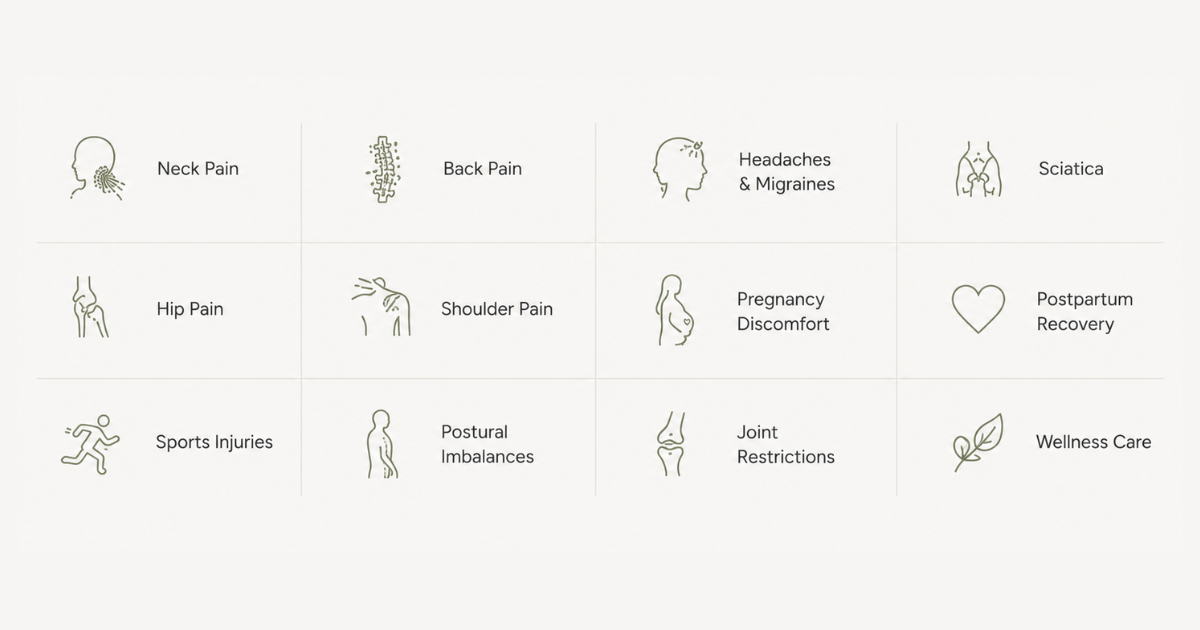
Care That Goes Beyond Pain Relief.
MY APPROACH IS SIMPLE.
At Connected Nutrition & Chiropractic, every adjustment is designed with one goal in mind: helping your body function at its highest potential.
Whether you’re experiencing chronic pain, preparing for birth, recovering postpartum, or simply wanting to feel your best, chiropractic care helps restore balance to the nervous system and improve overall function.


Personalized Care. Lasting Results.

Prenatal Chiropractic Care
Pregnancy places incredible demands on the body.
As your baby grows, your posture, pelvic, and center of gravity shift dramatically. These changes can create tension, discomfort, and stress throughout the spine and nervous system.
Gentle chiropractic care can help support:
Low back pain, hip discomfort, pelvic tension, round ligament pain, improved mobility, and greater comfort throughout pregnancy.
Webster Technique Certified.
Dr. Lexie utilizes the Webster Technique, a specialized chiropractic approach focused on pelvic balance during pregnancy.
This gentle technique is designed to reduce tension within the pelvis and support optimal function for both mom and baby throughout the pregnancy.
Postpartum Recovery Support
Your body doesn’t stop needing support after delivery.
From feeding positions and carrying your baby to recovering from labor and delivery, new moms often experience neck pain, back pain, shoulder tension, and pelvic discomfort.
Chiropractic care can help support healing, movement, and recovery during this important season.
Pediatric Chiropractic Care
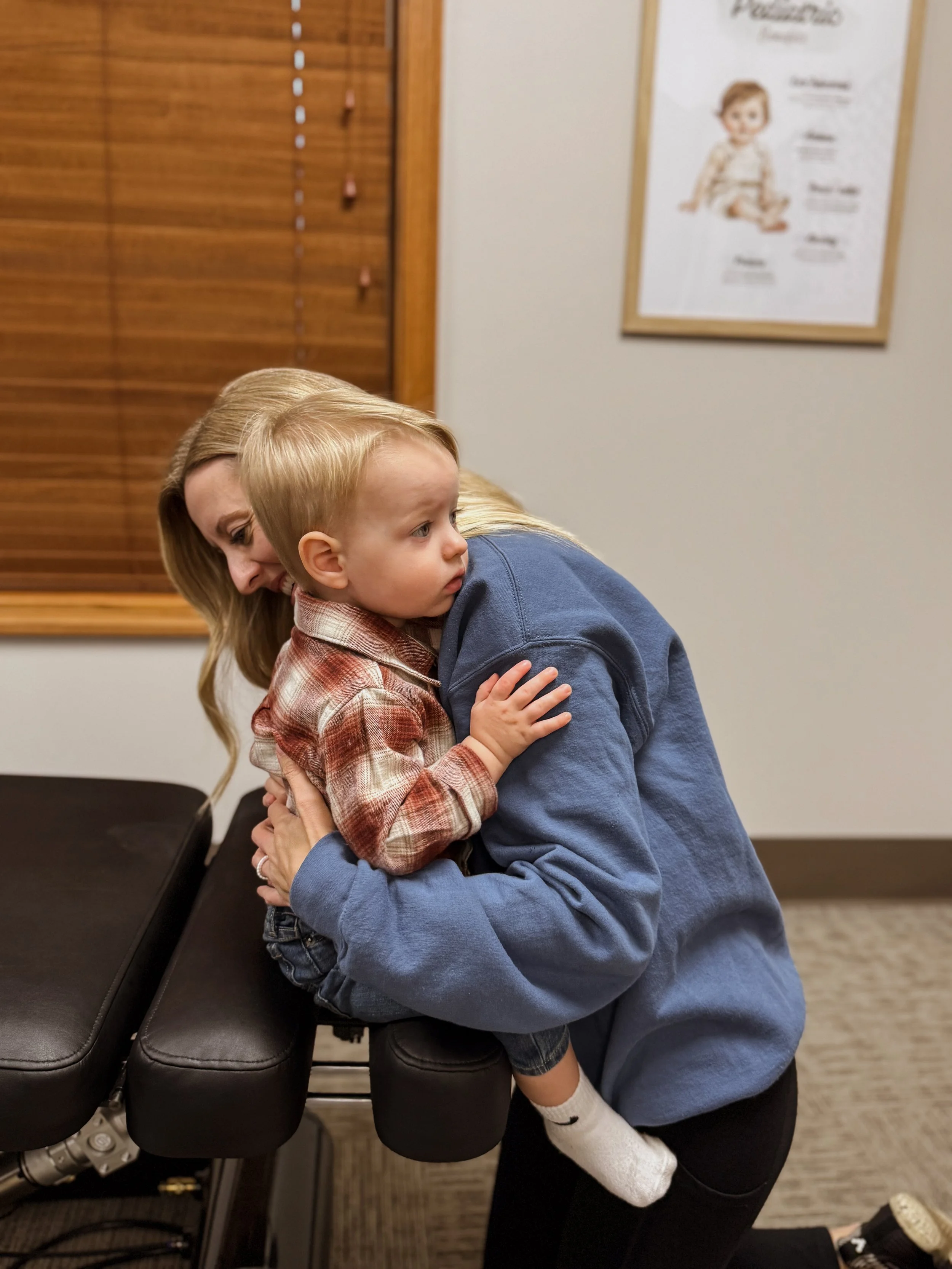
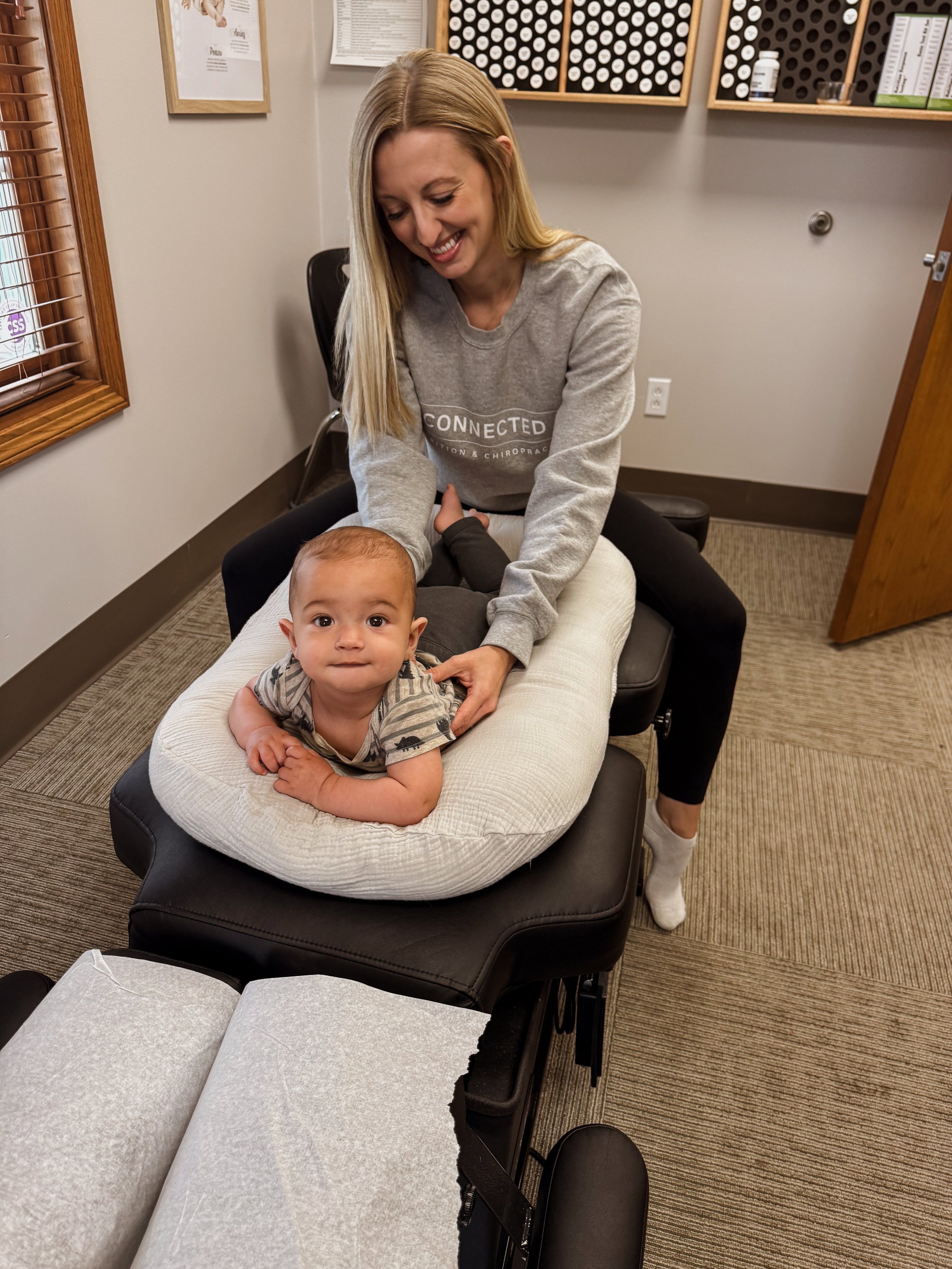
Children experience physical stress too!
From birth and developmental milestones to tumbles, sports, and everyday activities, chiropractic care can help support healthy movement and nervous system function throughout childhood.
Dr. Lexie provides gentle, age-appropriate care for infants, children, and adolescents.

“I recently took my two month old son to Dr. Alexis Taylor for an adjustment, and I couldn't be happier with the experience.
She was incredibly gentle and reassuring, explaining every step of the process. My little one was so comfortable throughout the entire adjustment that he slept through it.
I've already noticed improvement in his tension and overall fussiness. I highly recommend Dr. Alexis Taylor to any parent/person considering chiropractic care.”
Frequently Asked Questions about prenatal, postpartum & infant care.
-
Yes. Prenatal chiropractic care is gentle, safe, and specifically tailored to the needs of expecting mothers. As the body changes throughout pregnancy, chiropractic adjustments can help support pelvic balance, improve mobility, and relieve common discomforts such as low back pain, hip pain, and round ligament tension.
-
The Webster Technique is a specialized chiropractic analysis and adjustment focused on optimizing pelvic balance during pregnancy. By reducing tension and improving alignment within the pelvis, this technique helps support comfort, mobility, and proper function throughout pregnancy.
-
Many women begin care as soon as they learn they are pregnant, while others seek treatment later as discomfort develops. Chiropractic care can be beneficial during all stages of pregnancy and may help support a healthier, more comfortable pregnancy experience.
-
Absolutely. The postpartum period places significant physical demands on the body. Feeding positions, carrying an infant, recovering from labor, and changes in posture can all contribute to discomfort. Chiropractic care can help support recovery, improve mobility, and reduce tension during this important season.
-
Yes. Pediatric chiropractic care uses extremely gentle techniques that are very different from adult adjustments. The pressure used is often compared to the amount needed to check the ripeness of a tomato. Care is always tailored to your child's age, size, and developmental stage.
-
Parents often seek care for concerns such as feeding difficulties, torticollis, colic, tension patterns, or simply to support healthy nervous system function and development. Every child is different, and care is individualized based on their specific needs and health history.